
Sports Injuries in Mandurah: When to See a Chiropractor
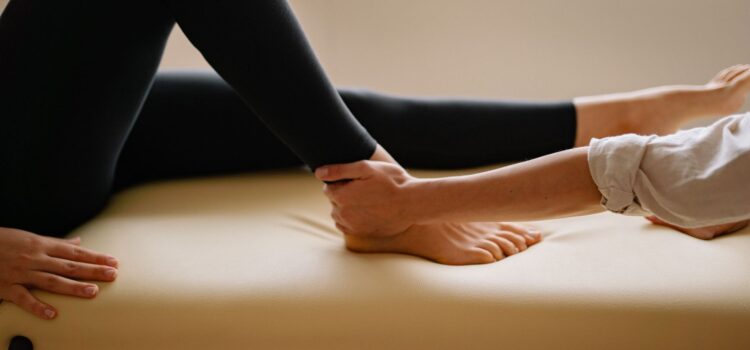
A knock on the footy oval, a rolled ankle at netball, or a shoulder tweak in the surf can leave you wondering whether to rest and wait or get it checked properly. For recreational and club sport participants around Mandurah and the Peel region, the answer depends on a handful of signals, not just how much it hurts on the day.
The sports injuries a chiropractor can assess
Chiropractors treat problems of the musculoskeletal system, which covers much of what recreational and club sport asks of the body. At Peel Chiropractic, the conditions treated include sports injuries, muscle strains, disc bulges, sciatica, nerve pain, biomechanical joint dysfunction, and complaints arising from the neck, mid back, low back, shoulders, elbows, wrists, hips, knees, ankles and feet. That list takes in most of the joints loaded by running, swimming, cycling, football codes, cricket, racquet sports and the water activities around the Mandurah foreshore.
The clinic describes an adjustment as a specific force applied in a precise direction to a joint that is troublesome, for instance one that is locked up or not moving properly. The purpose is to help restore a more normal position or motion, often relieving pain. For a sporting injury, that is the part of the picture a chiropractic assessment looks at, alongside how the rest of your body is moving.
Signs that rest alone may not be enough
Minor soreness after a game often eases by itself. These are signs that something more may be going on, and that a chiropractic assessment is worth considering.
- Pain that is not easing as you would expect. Persistent discomfort, especially in the lower back, neck or a major joint, is worth having looked at rather than waiting indefinitely.
- Reduced range of motion. If you cannot turn your neck fully, lift your arm above your shoulder, or straighten your knee after a knock, a joint may not be moving as it should.
- Radiating pain. A sharp or burning sensation that travels down an arm or leg after a sporting injury may involve a nerve, for example a disc bulge, and deserves an examination.
- Recurring injuries at the same site. If you keep rolling the same ankle or straining the same part of your lower back, it is worth asking whether something underlying is contributing.
- Pain that changes your movement. Limping, guarding a shoulder, or shifting your weight to one side to avoid pain are signs your body is compensating, and compensating can load other areas.
Any injury involving sudden trauma, a suspected fracture, or significant swelling calls for a GP or emergency assessment first. If you are unsure, check with your doctor before booking anything else.
What happens when a sporting injury is not assessed?
In general, a problem that could have been manageable can become a longer one. A joint that is guarded for weeks may move less freely, and the way you move to avoid pain can become a habit. A lower back strain that is never properly looked at may keep returning if whatever is behind it is left alone.
Returning to sport before the underlying problem is dealt with can also make a repeat injury more likely. The clinic describes three stages of care that follow this progression: initial intensive care, where the primary goal is symptom or pain relief; rehabilitative care, which focuses on eliminating the cause of the problem to reduce the likelihood of a relapse; and wellness care, with periodic check ups to maintain function. How long you continue care is always up to you.
Does every sports injury need the same chiropractic technique?
No. Each treatment and each adjustment is tailored to the patient, and your age, size and individual problem help determine which techniques suit you best. Peel Chiropractic uses Diversified adjusting, Drop Table (Thompson) technique, Arthrostim instrument adjusting (no popping sound), SOT blocking and Flexion Distraction, alongside prescribed rehabilitation exercises and stretches. You can read more on the chiropractic techniques page.
Treatment is always within your comfort level. If a joint is very tender, it is reasonable to mention that at your appointment so the chiropractor can talk through which approach suits you.
What does a first appointment for a sports injury involve?
The initial appointment is a history, a neurological examination and a chiropractic examination, and takes about 45 minutes. Arrive 15 minutes early for paperwork. Bring any X-rays, medical information and referrals, and a DVA, Medicare, private health, concession or pensioner card if you have one. X-rays are only arranged if warranted.
A second visit is a report of findings. Everything to know before you arrive is on the new patients page.
Is chiropractic safe for active people returning to sport?
The clinic says research continues to support the safety and efficacy of chiropractic treatment, and that chiropractors do not use drugs or surgery. No form of health care is entirely free of risk, so it is sensible to talk through your own situation with a chiropractor and your GP before returning to your sport.
Every patient is individual. Recovery time depends on factors such as whether the pain is acute or chronic, whether it is a first episode or a recurring problem, your history of previous injuries, your general health and your fitness level. Nobody can honestly promise how quickly you will be better, but an assessment gives you a clearer picture of what you are dealing with. The FAQ page covers safety, adjustments and what to expect.
Ready to get your sports injury assessed in Mandurah?
Peel Chiropractic has provided chiropractic care to Mandurah families for over 20 years, from its clinic at 22 Peel Street in central Mandurah. It is a short walk from the Mandurah Foreshore, with onsite parking, a public bus stop at the front door and wheelchair access. New patients are always welcome. To book or ask a question first, call (08) 9535 1600, email admin@peelchiropractic.com.au, or use the contact page, which is also the place to check current opening hours.
If you would like the bigger picture first, the overview of chiropractic care at Peel Chiropractic covers the conditions treated and the techniques used.
Frequently asked questions
Can a chiropractor help a rolled ankle or only spine injuries?
A chiropractor can assess joints throughout the body, including ankles, knees, shoulders, elbows and wrists, not just the spine. At Peel Chiropractic, complaints from the ankles and feet are listed among the problems treated alongside back and neck conditions.
Do I have to be in pain to see a chiropractor?
No. The clinic notes you do not always have to be in pain to consult a chiropractor. Some people want to prevent a problem, learn more about their body or improve their quality of life, which can suit an athlete between seasons.
Will I be adjusted on my first visit?
The first appointment is set aside for a history, a neurological examination and a chiropractic examination. If you want to know what to expect for your particular injury, ask when you call the clinic on (08) 9535 1600.
Which cards should I bring if I have DVA or other cover?
Bring your DVA, Medicare, private health, concession or pensioner card to your first visit if you have one. For any other question about your situation, call the clinic or use the contact page.
What if I play sport again before the injury has settled?
Returning too early is a common reason an injury can come back, so it is worth raising with your chiropractor and GP. The rehabilitative stage of care focuses on the cause of the problem, and it may include self-care exercises to do at home to support healing and strengthening.
Related pages
This article draws on the following pages.