
How to Keep Pain Away Between Appointments
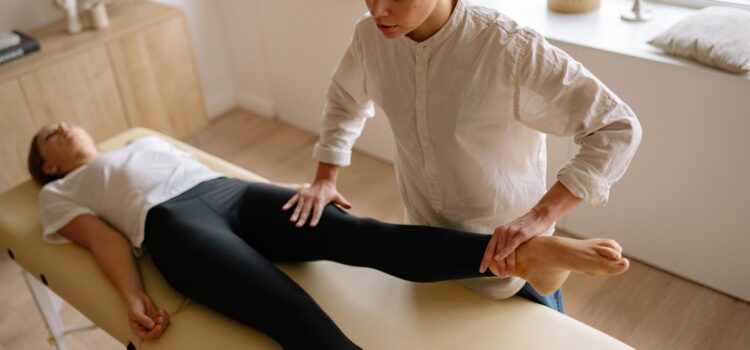
Your first visit to a chiropractor might run about 45 minutes, and later visits are usually shorter than the time you spend at home, at work and in the car between them. What you do in those hours has a lot to do with whether a sore back, neck or hip settles or flares up again. This guide covers everyday habits that can help support the work done in clinic, written for people around Mandurah and the Peel region who want to stay comfortable between visits.
Nothing here replaces advice from your own chiropractor, GP or physio. If you are managing an injury or a health condition, check with them first about what suits you.
Why what you do between visits matters
Between appointments, your body is exposed to the same loads that brought you in: long sitting, repetitive lifting, driving, sleeping positions and stress. Peel Chiropractic describes three stages of care: initial intensive care for relief, rehabilitative care, and wellness care. The middle one, rehabilitative care, is where this matters most. In that stage the frequency of visits begins to reduce and you are advised to complete at home or office self care to help support healing and strengthening.
That is a useful way to think about it. The adjustment is one part. The self care is the part that happens on your own time, and it is the part you control. A small routine you actually do beats an ambitious one you abandon after a week.
Do the exercises you were prescribed first
The most valuable home routine is the one your chiropractor gave you for your problem. Prescribed rehabilitation exercises and stretches are part of the care at the clinic, and they are chosen for you rather than for people in general.
A few practical tips on making them stick:
- Attach them to something you already do, such as after brushing your teeth or while the kettle boils.
- Ask for the exercises to be shown again if you are unsure of the movement. Doing them slightly wrong for weeks helps no one.
- Tell your chiropractor if an exercise increases your pain rather than easing it, so it can be changed.
Generic stretches found online can be a fine addition for general stiffness, but if you have a disc problem or sciatica, a stretch that suits one person can aggravate another. That is a good reason to ask before adding new ones.
Break up long periods in one position
Staying in any one posture for hours is a common reason stiffness builds, whether that is a desk, a ute seat or a couch. Many people find it easier to change position often than to hold one perfect pose.
Some simple habits many people find workable:
- Set a quiet reminder to stand, walk to the tap or roll your shoulders every so often through the day.
- Keep your screen at a height where you are not craning your head forward or down.
- Support the curve of your lower back in the car and at your desk, and keep your feet flat.
If you work at a computer all day, ask your chiropractor about setting up your workstation to suit you.
Can walking and light movement really help?
Yes, for many people gentle regular movement is one of the simplest ways to keep joints and muscles from stiffening between visits. Walking is easy to build in, and Mandurah gives you plenty of flat options, including the foreshore, which is a short walk from the clinic.
The aim is steady and comfortable, not heroic. If a sore area flares during or after an activity, ease back and mention it at your next visit. Pushing through sharp or worsening pain is rarely a good plan.
Plenty of people stop all activity when they hurt, then find they are stiffer the next day. Others feel good after a visit and jump straight back into heavy gardening or a long session at the gym. A gradual return, building up a little at a time, tends to suit the body better than either extreme.
Lifting, carrying and sleeping habits
Everyday loading adds up, so small changes to how you lift, carry and sleep are worth making. These are general principles rather than a prescription for any one person.
- Lifting: Bring the load close to your body, bend at the hips and knees, and avoid twisting while holding weight. Turn your feet instead.
- Carrying: Split shopping across both hands, and swap the side your bag sits on.
- Sleeping: A pillow that keeps your neck roughly in line with your spine, rather than propped up or dropped down, suits many people. Side sleepers often like a pillow between the knees.
- Getting out of bed: Roll onto your side and push up with your arms rather than sitting straight up from lying flat.
Stress, tension and the long game
Stress shows up in the body, and it is one reason pain can return even when you are doing everything else right. The clinic’s description of wellness care says that daily stresses, physical, chemical and emotional, wear us all down. That is why periodic check ups are suggested at that stage.
You cannot remove stress, but you can notice how it shows up. Many people clench their jaw, lift their shoulders toward their ears or hold their breath when under pressure. Catching that and letting your shoulders drop takes a few seconds. Slow breathing, a short walk and regular sleep are ordinary, free tools.
If your pain keeps returning despite good habits, it is worth raising with your chiropractor or GP so the cause can be looked at properly.
When to book back in, and how often
How often you return is worked out with your chiropractor, and it changes as you progress. In the wellness stage, appointments can range from fortnightly, monthly, quarterly or six monthly, depending on your stress load, and how long you continue care is always up to you.
Do not wait for the next scheduled visit if something changes. It is sensible to get in touch sooner if:
- pain is clearly worse, or spreading into an arm or leg
- you notice numbness, tingling or weakness
- a new injury, fall or knock has happened
Anything that feels severe or unusual should be checked by a doctor promptly. Opening hours change, so the best way to find a time is through the contact page or by phoning (08) 9535 1600. If you are new, the new patients page explains what to bring. You can also read more about the clinic’s approach to chiropractic care in Mandurah.
Frequently asked questions
Do I need to keep having adjustments if I feel fine?
Not necessarily. How long you continue care is always up to you. Some people choose periodic wellness check ups, while others return only when something flares up.
Can I just do stretches instead of coming back?
Home care is an important part of the rehabilitative stage, but it is meant to support your care, not always replace it. Your chiropractor can tell you what suits your situation.
What if an exercise hurts?
Stop and let your chiropractor know. Exercises should be adjusted to your problem, and a movement that increases your pain may need changing.
Is it normal to feel sore after a visit?
Some people notice mild tenderness, but responses vary. If you are worried about any symptom, call the clinic or see your GP.
What should I bring if I book a visit?
New patients are asked to arrive 15 minutes early for paperwork and bring any X rays, medical information, referrals and relevant cards such as DVA, Medicare, private health, concession or pensioner.
Related pages
This article draws on the following pages.