
Why Your Back Pain Keeps Coming Back
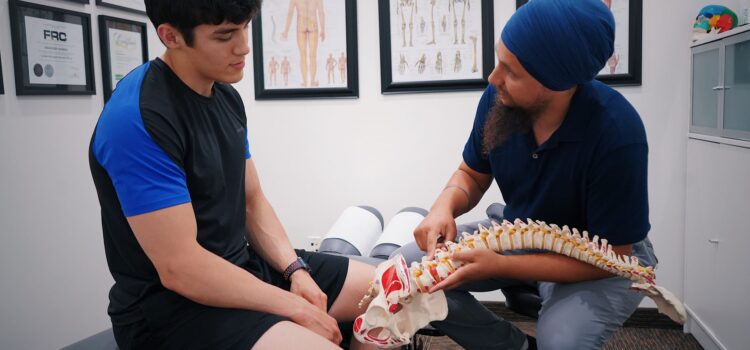
Back pain that eases off and then flares up again is one of the most common complaints we hear about at Peel Chiropractic. You rest, things settle down, you get back to normal life, and then it returns, often worse than before. That cycle is frustrating, but it usually has a clear explanation. Understanding what keeps it going is the first step toward breaking it.
The difference between treating pain and treating the cause
Relieving a flare up and actually resolving the underlying problem are two different things, and mixing them up is where most people get stuck. Pain is a signal, not the problem itself. When the signal quietens, it can feel like the work is done, but the mechanical issue that triggered the pain, a joint that isn’t moving properly, a vertebra that has shifted out of its normal position, or tight surrounding muscles compensating for weakness elsewhere, may still be there.
In chiropractic terms, restricted or misaligned vertebrae are sometimes referred to as vertebral subluxations. These can place pressure on the spinal nerves that run between each vertebra, contributing to pain, stiffness, and reduced mobility. Address only the symptom and the underlying dysfunction persists, which is why the pain tends to return on a predictable schedule.
Why posture and daily load matter more than a single incident
Many people trace their back pain to one moment: lifting something heavy, a sudden twist, a bad night’s sleep. That moment is often just the tipping point. The load that actually led to it may have been building for weeks or months through prolonged sitting, repetitive movement patterns at work, or simply carrying persistent tension through the shoulders and lower back.
Posture is a common contributor. Hours spent forward of a neutral position, whether at a desk, behind a wheel, or looking at a screen, place sustained load on the posterior structures of the spine. Over time that load creates wear patterns in joints and soft tissue that make flare ups increasingly easy to trigger. Addressing posture alongside hands on treatment is why chiropractors often provide prescribed rehabilitation exercises and stretches as part of a care plan rather than adjustment alone.
Is sciatica or a disc problem driving the recurrence?
Yes, sciatica and disc problems are two of the more common reasons back pain keeps returning rather than fully resolving. Sciatica involves irritation of the sciatic nerve, often from a disc bulge or a tight piriformis muscle pressing on the nerve root, and it typically produces pain that travels into the buttock and down the leg. A disc herniation places direct pressure on the structures around it, and because discs have limited blood supply, recovery without targeted care can be slow and incomplete.
Both conditions respond differently to treatment than simple muscle pain does. Flexion Distraction, one of the techniques used in chiropractic care, is specifically suited to disc and nerve complaints because it gently stretches and decompresses the lumbar spine without loading it. If recurring back pain comes with leg symptoms, numbness, or tingling, that pattern is worth discussing with a health professional rather than managing with rest alone.
The three stages of care and why stopping early matters
A structured approach to back pain typically moves through three stages: initial intensive care aimed at pain relief, rehabilitative care focused on correcting the underlying cause, and wellness care to maintain function and reduce the chance of relapse. The most common point where the cycle restarts is between the first and second stage.
People feel significantly better after initial relief and stop there. The rehabilitative stage, which targets the movement dysfunction and muscle support patterns that allowed the problem to develop, never gets completed. Without it, the same mechanical stress rebuilds, and the same pain returns. This is not a failure of willpower; it is simply a very human response to a reduction in pain. Knowing there is a second stage before the problem is genuinely resolved makes it easier to stay the course. The FAQ on the Peel Chiropractic website notes that during rehabilitative care, appointment frequency reduces and home exercises take on a bigger role, which makes that stage more manageable than it sounds.
What a proper initial assessment finds that a quick visit misses
A thorough examination does more than locate where it hurts. The initial appointment at Peel Chiropractic runs for approximately 45 minutes and covers a full history alongside a neurological and chiropractic examination. That length matters because recurring back pain often involves more than one contributing factor, and a short appointment rarely has time to identify them all.
The second visit is a report of findings, which gives patients a clear picture of what has been found before any treatment plan is agreed on. Bringing previous X-rays or imaging to that first appointment can add useful context, particularly where the pain has a long history. X-rays are only arranged when clinically warranted rather than as a default step, which keeps the focus on the examination findings rather than routine imaging.
Movement, strength, and why rest alone rarely fixes a recurring problem
Rest is appropriate in the acute phase of a severe flare up, but prolonged rest tends to work against recovery. The muscles that stabilise the lumbar spine, particularly the deep core muscles that attach directly to the vertebrae, lose conditioning quickly and take deliberate, specific exercise to rebuild. General exercise helps but is rarely targeted enough on its own.
Rehabilitation exercises prescribed as part of a chiropractic care plan are chosen for the specific joints and movement patterns identified in the examination. That specificity is what separates them from a general gym programme. Strength, flexibility, and movement control together reduce the physical load that accumulates between appointments, which is the main lever for reducing how often a problem flares.
When to see someone rather than wait it out
Most back pain resolves with time and appropriate care, but there are patterns that warrant prompt attention rather than a watch and wait approach. Pain that wakes you from sleep, pain that comes with bladder or bowel changes, pain following a fall or direct impact, and pain accompanied by unexplained weight loss are all reasons to see a health professional quickly and to mention those details specifically.
For recurring back pain without those flags, the decision to seek care sooner rather than later is mainly about the cumulative effect of repeated flare ups. Each episode of acute pain involves an inflammatory response, and repeated cycles of that response can alter the way the nervous system processes pain signals over time, making the condition progressively harder to manage. Addressing the mechanical cause while the pattern is still relatively recent is generally more straightforward than waiting until it has been going on for years.
If you are ready to find out what is actually driving your recurring back pain, the chiropractic care page at Peel Chiropractic explains the conditions treated and the techniques available at the Mandurah clinic. New patients are always welcome, and the initial appointment gives enough time to do the assessment properly.
Frequently asked questions
Why does my back pain come back in the same spot every time?
Recurring pain in the same location usually points to an underlying mechanical issue, such as a joint that is not moving freely or a muscle imbalance that keeps loading the same structure, that has not been fully addressed. Treating the symptom relieves the pain temporarily, but the dysfunction remains and the same trigger restores the pain. A proper examination looks for that underlying cause rather than just the site of pain.
Can a chiropractor help with sciatica and disc problems, not just general back pain?
Sciatica, disc herniations, and disc bulges are among the specific conditions listed on the Peel Chiropractic website as conditions the clinic treats. Techniques such as Flexion Distraction are suited to disc and nerve related complaints. The right approach depends on what the examination finds, which is why the initial appointment includes a neurological assessment alongside the standard chiropractic examination.
How many visits does it take before back pain stops coming back?
There is no single answer because recovery depends on factors including whether the problem is acute or chronic, how long it has been present, previous injuries, and general fitness. The clinic’s FAQ notes that these factors all influence recovery time. The key point is that completing the rehabilitative stage of care, not just the initial pain relief stage, is what reduces the likelihood of relapse. Your chiropractor can give you a realistic picture once the initial examination is done.
Do I need X-rays before I can start treatment?
X-rays are not a routine requirement at Peel Chiropractic. They are only arranged when clinically warranted based on the examination findings and history. Bringing any existing imaging to your first appointment is useful, but you do not need to organise new X-rays before booking.
What should I bring to my first appointment?
Arrive 15 minutes early to complete paperwork. Bring any existing X-rays, medical information, or referrals, and a DVA, Medicare, private health, concession, or pensioner card if you have one. The first appointment runs for approximately 45 minutes and covers your history and a full chiropractic and neurological examination. A second visit follows with a report of findings before your care plan is discussed.
Sources
This article draws on the following pages.